
tech
The Ultimate Guide on How to Run Star Technology Modpack Server Minecraft

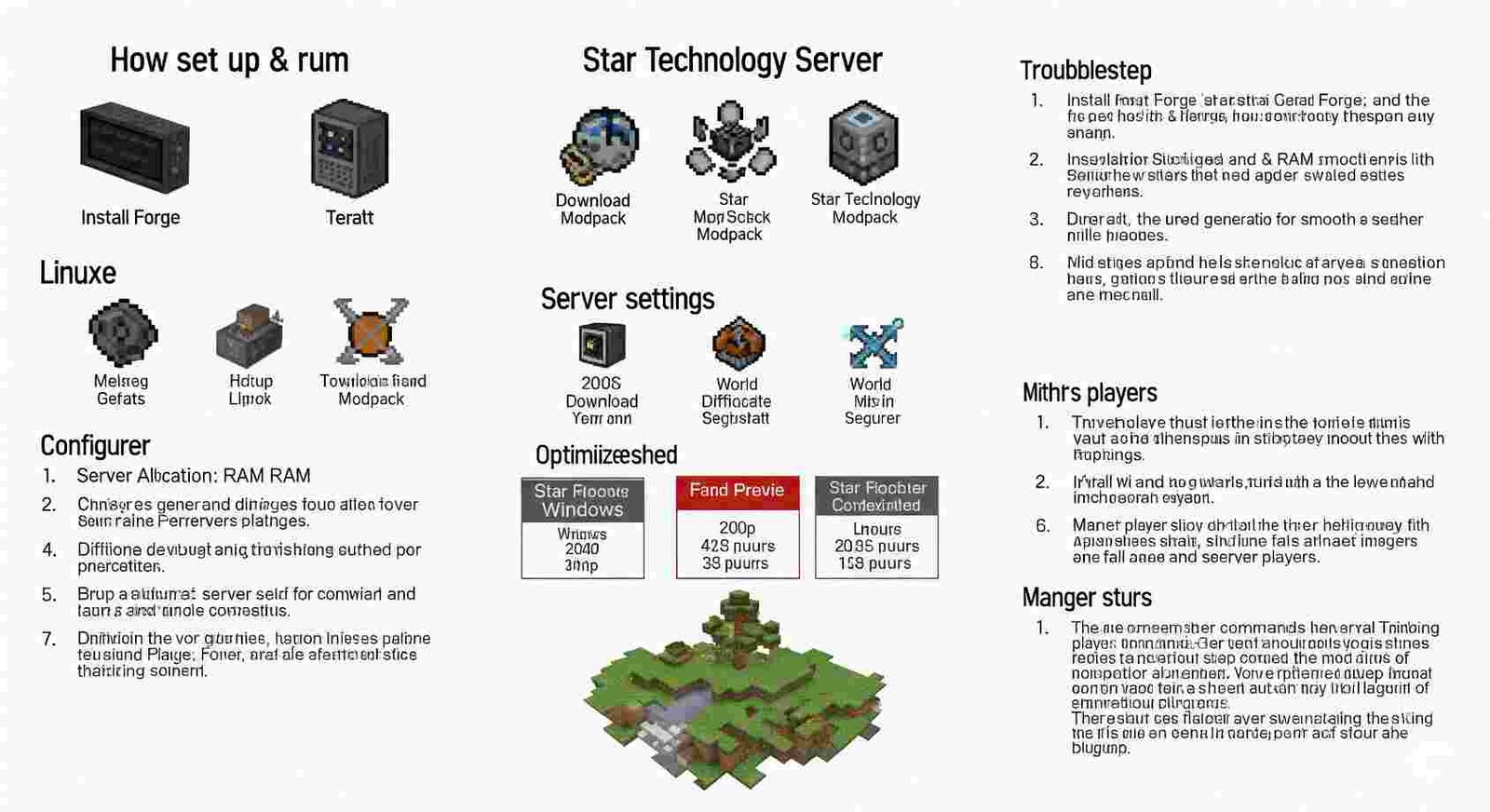
Running a Minecraft server is one thing, but setting up and managing a Star Technology Modpack server adds a whole new layer of complexity and excitement. Whether you’re a seasoned Minecraft veteran or just discovering the world of modpacks, learning how to run Star Technology Modpack server Minecraft can unlock endless possibilities for you and your friends. This guide walks you through everything you need to get started — from installation to optimization — while keeping your server smooth and fun.
Understanding the Star Technology Modpack
Before diving into the technical steps, it’s essential to understand what makes the Star Technology Modpack unique. This modpack combines advanced technology-based mods with exploration and automation elements that push Minecraft gameplay to the next level.
Popular mods often included are:
- Applied Energistics 2
- Industrial Craft 2
- Galacticraft
- Thermal Expansion
- Tech Reborn
These mods significantly enhance the vanilla experience by introducing complex machinery, power systems, and space exploration. To properly host such a modpack, you’ll need a server setup that supports both performance and stability.
Why Choose Star Technology?
The Star Technology Modpack is perfect for players who enjoy complex tech trees, energy management, and automation systems. It’s not just another build-and-survive experience — it challenges you to think, plan, and collaborate.
Preparing Your Server Environment
To successfully learn how to run Star Technology Modpack server Minecraft, your server environment needs to be ready. Here are the prerequisites:
- A dedicated server or high-performance VPS
- At least 4-6 GB of RAM (more if you’re hosting many players)
- Java 8 or higher
- A 64-bit operating system (Linux or Windows)
- Solid-state storage for faster world loading
It’s also important to choose a hosting provider that supports modded Minecraft if you’re not hosting locally. Services like Akliz, Apex Hosting, or BisectHosting are known for modpack compatibility and one-click installations.
Local vs. Hosted Server
If you’re just testing the waters, running the server locally might be fine. But for consistent uptime and multiplayer reliability, a third-party host is usually the better option.
Installing the Star Technology Modpack
Here’s where the magic starts. Follow these steps to install the modpack on your server:
- Download the Modpack: You can find the Star Technology Modpack on platforms like CurseForge or Technic Launcher. Make sure to download the server version.
- Unpack the Files: Extract the ZIP archive into a dedicated server directory.
- Install Forge: Most tech modpacks use Forge as a mod loader. Run the Forge installer and select “Install Server.”
- Upload Files to Host (if applicable): If you’re using a remote host, upload the extracted files and Forge installer via FTP.
- Launch the Server: Run the start.bat or start.sh script depending on your OS. Let it load fully before tweaking settings.
Once the server boots successfully, you’ve taken a major step toward mastering how to run Star Technology Modpack server Minecraft.
Optimizing for Performance and Stability
Modded Minecraft servers can be resource-intensive. To prevent lag and crashes, optimization is key:
- Allocate Sufficient RAM: Increase the Java heap size by modifying the server launch script (e.g., -Xmx6G for 6 GB).
- Install Performance Mods: Use optimization tools like FoamFix, FastWorkbench, or Phosphor.
- Configure Tick Rates: Reduce entity or tile tick rates if lag persists.
- Monitor Logs: Always keep an eye on crash reports and logs to detect mod conflicts or memory issues.
Scheduled Restarts and Backups
Set up automated restarts every few hours and perform regular backups. This helps maintain server health and prevents data loss in case of crashes.
Managing Players and Mods
Once your server is running, it’s time to bring in the community and keep everything organized:
- Whitelist Trusted Players: Use the whitelist feature to control access.
- Install Plugins (if using Sponge or Forge with Sponge compatibility): Plugins like LuckPerms and Essentials help manage permissions and commands.
- Set Rules and Mod Guidelines: Some tech mods can be overpowered or unstable if misused. Establish clear rules for using machines and automation.
Don’t forget to maintain an open channel of communication with your players — whether it’s via Discord, forums, or in-game messages.
FAQ
What is the minimum RAM needed to run Star Technology Modpack?
At least 4 GB of RAM is recommended, though 6–8 GB is ideal for multiple players.
Can I run the server on my home PC?
Yes, but performance may suffer with multiple users. A dedicated or hosted server is better for public access.
Where can I download the modpack server files?
You can find the official server files on CurseForge or the modpack’s developer page.
Do I need a powerful GPU to host the server?
No, Minecraft servers rely more on CPU and RAM than on GPU performance.
Can I add extra mods to the Star Technology Modpack?
Yes, but make sure they are compatible with the existing mods and won’t cause conflicts.
Conclusion
Learning how to run Star Technology Modpack server Minecraft is both a technical challenge and a rewarding experience. From setting up your environment to optimizing gameplay and managing your community, every step deepens your understanding of modded Minecraft. By investing time into preparation and maintenance, you can build a smooth, enjoyable world that you and your friends will love returning to. So gear up, configure that server, and blast off into a tech-filled adventure.
Jewelry Pneumatic Engraving Machine: The Craftsperson’s Power Tool

Complete Guide to the Parts List for Dometic Model 147 Sanitation Toilets

Exploring the Omron G6S-2G-12VDC Footprint Model Symbol 3D for Engineers and Designers

Restoring Precision: A Comprehensive Look at Orthodyne Model 20 Parts

Predicting Fare Trends with Linear Modeling of NYC MTA Transit Fares

Love Longing and Secrets: while away on business lucas frostaugust skye

Understanding the Nordyne Model: M1MB 056A AW Flame Sensor and Its Role in Home Heating

Exploring the Legacy of the Rolleicord Ia Model 3 Police Camera

Why viprow us.com Is a Top Choice for Sports Streaming Fans

Why école marketing digital nexa Is a Leading Choice for Future Marketers
Jewelry Pneumatic Engraving Machine: The Craftsperson’s Power Tool
Complete Guide to the Parts List for Dometic Model 147 Sanitation Toilets
Exploring the Omron G6S-2G-12VDC Footprint Model Symbol 3D for Engineers and Designers
Restoring Precision: A Comprehensive Look at Orthodyne Model 20 Parts
Predicting Fare Trends with Linear Modeling of NYC MTA Transit Fares
Love Longing and Secrets: while away on business lucas frostaugust skye
Understanding the Nordyne Model: M1MB 056A AW Flame Sensor and Its Role in Home Heating
Exploring the Legacy of the Rolleicord Ia Model 3 Police Camera
Why viprow us.com Is a Top Choice for Sports Streaming Fans
Why école marketing digital nexa Is a Leading Choice for Future Marketers

 tech8 months ago
Exploring the World of AI Creativity Through ai-work-archives-ghaus-editz
- business8 months ago
Unveiling the Truth About tetr college of business ranking: How It Stacks Up in 2025Exploring the Depth of Love and Strategy in business kon: suki ni nattara rikonshimasu manga
- business8 months ago
Exploring the Rise of Sichuan Tong Dao Technology Co Ltd in China’s Tech Industry

 others9 months ago
Understanding the SEO Law Fellowship: A Launchpad for Future Legal Leaders