
tech
Exploring the Legacy of the Rolleicord Ia Model 3 Police Camera

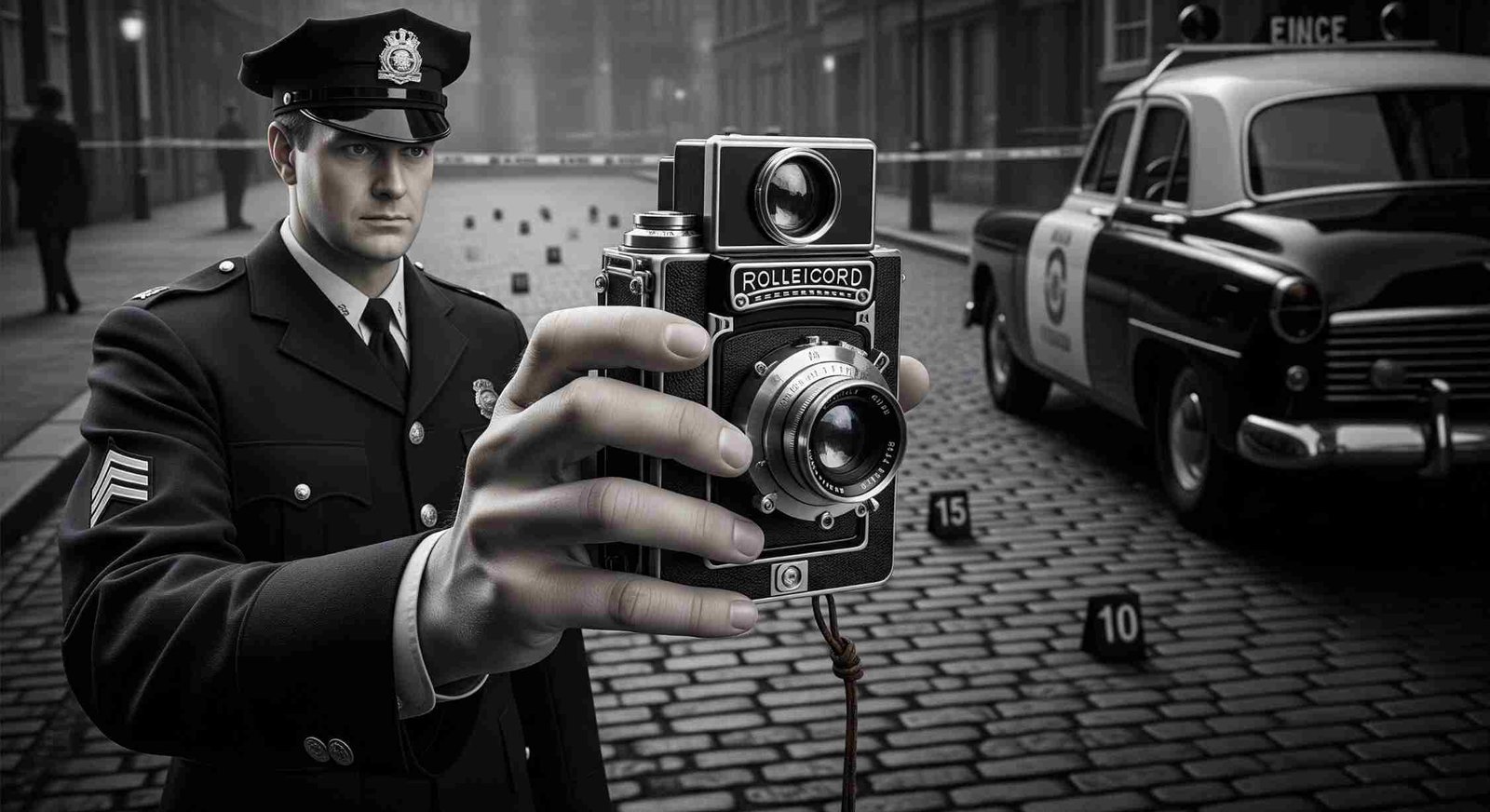
The world of vintage photography is filled with timeless devices, but few stand out quite like the Rolleicord Ia Model 3 Police camera. Known for its precision engineering and historical significance, this model blends the charm of classic film photography with a mysterious niche usage in law enforcement. In this article, we take a closer look at the camera’s heritage, its connection to police departments, and why collectors are still drawn to it today.
A Brief History of the Rolleicord Series
Before diving into the specifics of the Rolleicord Ia Model 3 Police, it’s essential to understand its family roots. Manufactured by Franke & Heidecke in Germany, the Rolleicord series was designed as a more accessible sibling to the high-end Rolleiflex models. These twin-lens reflex (TLR) cameras were built for amateur photographers who still demanded professional-level quality.
First introduced in the 1930s, the Rolleicord line continued to evolve through several iterations. The Model Ia, especially the Version 3, gained popularity in the 1950s for its sturdy design and ease of use. Its unique combination of affordability and functionality helped it earn a place in both personal and institutional photography circles.
Design and Technical Features That Set It Apart
The Rolleicord Ia Model 3 Police variation isn’t just another camera in the lineup—it stands out with specific features tailored to documentation and investigative work.
It maintains the classic TLR structure, with a fixed 75mm f/3.5 lens and a waist-level viewfinder, allowing officers or photographers to maintain discretion while framing subjects. The shutter speeds range from 1 second to 1/500th, suitable for varying lighting conditions, a crucial factor in field documentation.
Modifications for Law Enforcement
The “Police” edition was said to include slight adjustments to the casing and internal labeling, which identified the camera as property of a law enforcement agency. These modifications made the cameras easier to catalog and trace within government use—adding an intriguing layer of history for today’s collectors.
Why Law Enforcement Used This Camera
The Rolleicord Ia Model 3 Police became a tool of choice for several European law enforcement agencies during the mid-20th century. Why would a seemingly artistic tool find a place in the world of policing?
Primarily, it was because of the camera’s precision and reliability. Crime scene documentation demanded accurate visual representation, and this camera delivered. Its medium format film provided superior detail, making it easier to analyze photos after the fact.
Additionally, the quiet operation and non-intrusive form factor allowed officers to take candid or investigative shots without alarming subjects or drawing attention.
Current Market and Collector Interest
Fast forward to today, the Rolleicord Ia Model 3 Police has become a sought-after piece among vintage camera enthusiasts and collectors of police memorabilia. The limited production numbers and specialized usage add a rarity factor, increasing both monetary and historical value.
Collectors appreciate the unique markings that distinguish police units from civilian versions. For those lucky enough to find one in good condition, it’s a double win—historical artifact and working photo tool.
What to Look For When Buying
When searching for an authentic police-marked model, pay attention to serial numbers, body engravings, and provenance. Cameras with documented use in a law enforcement agency are especially prized and may command a premium on the collector market.
Maintaining and Using a Vintage TLR Camera
Even after decades, the Rolleicord Ia Model 3 Police can still function beautifully if cared for properly. These cameras are mechanical marvels, and with the right maintenance, they can continue to shoot roll after roll of high-quality 120 film.
Basic upkeep involves regular cleaning of the lens and mirror system, checking the shutter accuracy, and ensuring the film advance mechanism works smoothly. Many repair shops today specialize in classic Rolleis, making parts and service accessible for enthusiasts.
FAQ
Q: Was the Rolleicord Ia Model 3 really used by police?
Yes, certain units were specially marked and distributed to police agencies for use in documentation and surveillance.
Q: What film does the Rolleicord Ia use?
It uses 120 roll film, producing high-quality medium-format images.
Q: Are these cameras still usable today?
Absolutely. With basic servicing, many vintage Rolleicords still work perfectly for analog photography.
Q: How can I verify a police edition of this model?
Look for specific engravings or labels indicating police property. Serial numbers may also correspond with production batches known for institutional use.
Q: Is it worth collecting this camera?
Yes, especially the police-marked versions. They hold both historical and collector value, particularly in good working condition.
Conclusion
The Rolleicord Ia Model 3 Police is more than just a piece of photographic equipment; it’s a bridge between art and institutional history. Its legacy as a law enforcement tool, coupled with outstanding mechanical craftsmanship, makes it a standout among vintage TLRs.
Whether you’re a camera collector, history buff, or film photography enthusiast, owning or simply learning about this rare model offers insight into a time when analog devices shaped how stories were told and cases were solved. If you’re looking for a piece of equipment with a fascinating backstory, few can rival the allure of this classic police camera.
Jewelry Pneumatic Engraving Machine: The Craftsperson’s Power Tool

Complete Guide to the Parts List for Dometic Model 147 Sanitation Toilets

Exploring the Omron G6S-2G-12VDC Footprint Model Symbol 3D for Engineers and Designers

Restoring Precision: A Comprehensive Look at Orthodyne Model 20 Parts

Predicting Fare Trends with Linear Modeling of NYC MTA Transit Fares

Love Longing and Secrets: while away on business lucas frostaugust skye

Understanding the Nordyne Model: M1MB 056A AW Flame Sensor and Its Role in Home Heating

Exploring the Legacy of the Rolleicord Ia Model 3 Police Camera

Why viprow us.com Is a Top Choice for Sports Streaming Fans

Why école marketing digital nexa Is a Leading Choice for Future Marketers
Jewelry Pneumatic Engraving Machine: The Craftsperson’s Power Tool
Complete Guide to the Parts List for Dometic Model 147 Sanitation Toilets
Exploring the Omron G6S-2G-12VDC Footprint Model Symbol 3D for Engineers and Designers
Restoring Precision: A Comprehensive Look at Orthodyne Model 20 Parts
Predicting Fare Trends with Linear Modeling of NYC MTA Transit Fares
Love Longing and Secrets: while away on business lucas frostaugust skye
Understanding the Nordyne Model: M1MB 056A AW Flame Sensor and Its Role in Home Heating
Exploring the Legacy of the Rolleicord Ia Model 3 Police Camera
Why viprow us.com Is a Top Choice for Sports Streaming Fans
Why école marketing digital nexa Is a Leading Choice for Future Marketers

 tech9 months ago
Exploring the World of AI Creativity Through ai-work-archives-ghaus-editz
- business9 months ago
Unveiling the Truth About tetr college of business ranking: How It Stacks Up in 2025Exploring the Depth of Love and Strategy in business kon: suki ni nattara rikonshimasu manga
- tech10 months ago
The Ultimate Guide on How to Run Star Technology Modpack Server Minecraft
- business10 months ago
Exploring the Rise of Sichuan Tong Dao Technology Co Ltd in China’s Tech Industry


